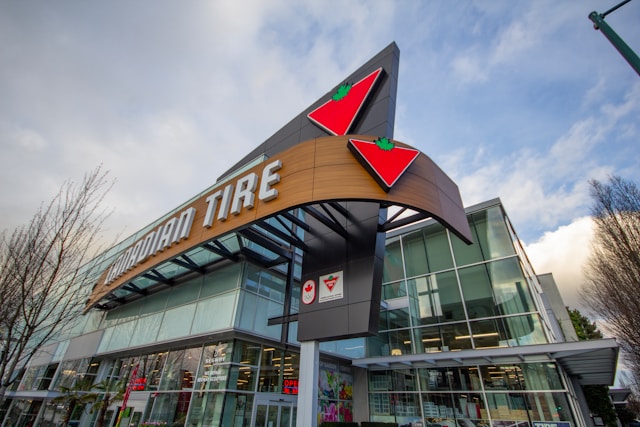
Retail signage, it’s not just a pretty face. The minute your staff member stops talking and the last customer walks out the door, the only thing still communicating with the world is that sign. And let’s face it, more than 70% of buying decisions get made on the spot, so if that sign isn’t doing its job, then you’re probably missing out on sales.
For Aussie retailers trying to keep up with e comm and the big chain stores, one of their only remaining aces in the hole is their shopfront. Sure, a big chain can throw more cash at advertising, but at the end of the day, it can’t outsmart a well-thought-out local shopfront on the street. Retail signs play a major role in attracting attention, reinforcing your brand and influencing buying decisions before a customer even walks through the door.
Exterior vs Interior, Different Jobs, Different Rules
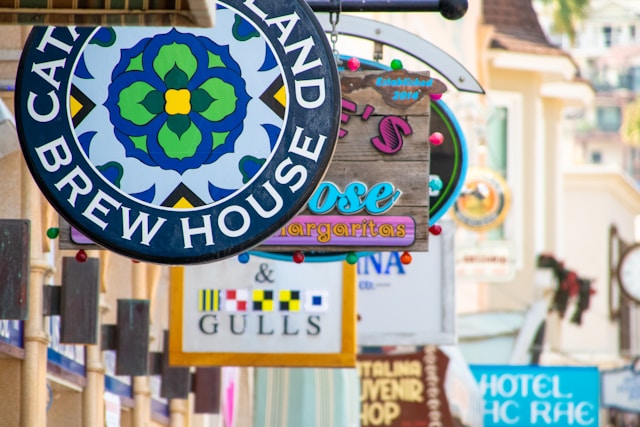
Exterior signage is all about grabbing people’s attention and getting them to come in the door. Interior signage, on the other hand, is all about guiding them through, getting them to buy more and increasing the average spend. They’re related, but they’re not the same thing, and when you get them mixed up, you end up with signs that just don’t do their job.
SIGNWAVE, a bunch of retail signage nerds who’ve got a national presence in Australia, reckon shopfront fascias, awning signs, window graphics and outdoor banners are the main tools for exterior work, while things like aisle markers, product headers, promotional displays and the signage on your point of sale are the ones that need to be used to get the sales flowing inside. The best retail environments use both in harmony, with the same typography, colour and brand tone coming through in every sign you see.
The 2025 Shift, What Australian Retailers Are Actually Doing
The retail signs market in Australia was worth around $520 to $580 million in 2025 and was growing like crazy, 7 to 9% a year over the previous 4 years. Digital signage is where the big bucks are, accounting for about 60% of the total market value, but the old-fashioned kind of signage isn’t going anywhere. It’s just being used alongside the digital stuff.
What we’re seeing in Australian shopping precincts is a bit of a hybrid model, lots of LED or digital screens at high-pressure moments like checkout and category entrances, but also lots of old-fashioned physical signs handling things like brand presence, getting people around the shop and the exterior comms. Digital at the point of decision, physical for getting people oriented and keeping an eye on the brand.
Design Principles That Work Regardless of Budget
The one message per sign rule is the first thing most retailers jettison when they’re under pressure, and the very thing that ends up hurting them the most. A sign trying to tell you three things at once ends up getting nothing across. Clarity wins out over cleverness every time, no matter how good you are.
In a busy shopping strip, if a customer isn’t going to be able to read your sign in the two seconds they have to take in everything around them, then using big fonts and high contrast is not a concession to accessibility, it’s a commercial imperative. And don’t even get me started on the importance of material quality, as Blake Sign Co. points out. A cheap sign looks like, well, a cheap sign, to the customer, even before they’ve read a word. In high-end or specialty retail, the material you choose isn’t just a cost saver, it’s an argument for why your brand is actually worth getting excited about.
When to Refresh and How to Measure Whether It’s Working?
Your sign is not going to look great forever. The paint fades, the material degrades, and your brand’s whole vibe changes faster than you can stick up a new sign to replace the one that’s getting a bit tired. Total Concept Signs reckons you should be looking at exterior signs every year, and updating the internal stuff with your marketing campaigns rather than just whenever it’s convenient.
And yeah, all this can actually be measured, even if you don’t have a fancy analytics system. Just get someone to record the numbers before you change the sign, and then check them after. Door count before and after an exterior sign goes up gives you a baseline. Sales go up on the products you’re trying to push after a new POS sign goes in.