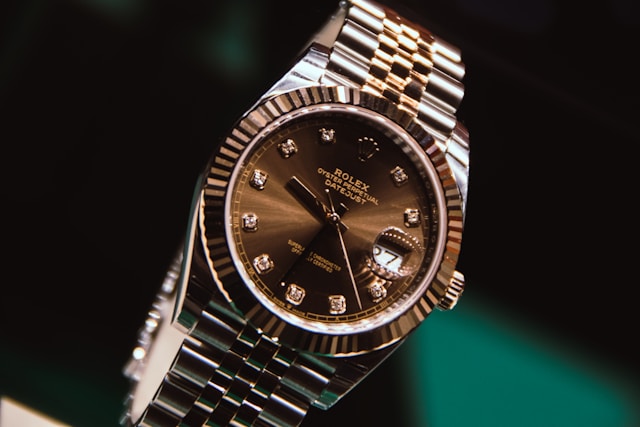
The Australian pre-owned luxury watch market has transformed from being platform-led to data-driven. Buyers are informed, and the margin between a prepared seller and an unprepared one is in the thousands of dollars. Whether the piece in question is a Rolex Submariner, an Omega Speedmaster, an Audemars Piguet Royal Oak, or a Patek Philippe Aquanaut, condition, documentation, and reference desirability transfer. Sentiment about a watch does not.
What Actually Drives Resale Value?
The main variable is brand equity, but it is not the same throughout a brand. For instance, a steel Rolex Submariner without date (the 114060) will often trade at or above retail because supply is limited and demand among collectors is high. A fashion house watch in the same condition might get back thirty cents on the dollar. The market is not nostalgic for names that do not have a real horological pedigree. The result is significantly influenced by production status. References that are discontinued appreciate in ways that current-production pieces do not, because the supply ceiling is frozen the day a reference is retired. An Omega Speedmaster reference discontinued five years ago has a different secondary market logic than a piece still sitting on the shelf of an authorised dealer.
Many sellers fail to appreciate how much the condition of the case and bracelet matter. Polishing, even professional polishing, eliminates original factory bevels and softens case edges that collectors prize for their original finishing. A lightly worn watch with unpolished surfaces often commands a stronger offer than a heavily cleaned piece that has lost its factory character. Original accessories are the icing on the cake. Box, papers, spare bracelet links, additional straps, and the original purchase receipt all help establish a higher opening position in any dealer negotiation. WristWorks data from the Australian market demonstrates how much missing documentation can reduce an offer relative to a complete set on the same reference when it comes to sell your luxury watch Australia.
Preparation That Pays Off
Before you present the watch to any buyer or dealer, take the reference number from the lugs and research recently sold prices, not asking prices, for the exact reference in the same condition. Asking prices increase perceived market value, but sold prices tell the story. Sold listings on Chrono24, WatchCharts tracking data, and Australian dealer sold inventory are useful reference points. Any valuation process goes faster and cleaner when photographs are taken in natural light. Show the dial, case sides, crown, and bracelet or strap from multiple angles.
By reviewing images, a buyer can evaluate the condition before spending time on an in-person inspection. Sellers who come to the conversation with this material organised always progress through the process more smoothly. Do not over-condition the piece before you sell it. A gentle clean with a soft brush and warm water is sufficient. Nearly always, sending a watch to a watchmaker for a full service before selling is the wrong move. Service costs are rarely recovered in the sale price, and buyers prefer to commission their own service from their preferred watchmaker.
Outright Sale vs Consignment
WristWorks, WatchCraze, Swiss Watch Dealer, and BuyYourWatch all run on transparent models that cater to different seller priorities. An outright sale delivers payment in most cases a day after authentication. It reflects the fact that the dealer will carry margin against their inventory risk, so it sits just below the ceiling price the market may ultimately pay. The combination of immediate payment, security, and no post-sale liability makes the outright route the practical choice for most sellers.
The result of consignment is deferred, for weeks to months, depending on the reference and the size of the dealer’s buyer network. It may result in a higher final price if the right buyer is identified. It makes the most sense for highly desirable or unusual references where a dealer’s outright offer is materially below what an informed collector would pay. The calculation is simple. If the consignment premium over an outright offer does not justify the wait time and the continued market risk, the outright sale is the right decision.
Risks That Sink Private Sales
Marketplace platforms are not inherently risky. The specific risks are well documented and real. These include fake buyers, chargeback fraud after goods are dispatched, counterfeit payment confirmations, and condition disputes after delivery. The mitigations are non-negotiable. Use insured and tracked shipping only, confirm that funds have cleared into the bank account before the watch is packaged, and keep a clear written record of the agreed condition and price.
When it comes to watches over $10,000, the added security and legal protections of selling through a licensed dealer almost always outweigh the potential margin gain of a private sale. A licensed dealer under Australian Consumer Law has obligations that provide recourse if something goes wrong, whereas a private buyer does not. The seller who comes to the Australian market informed and prepared is rewarded. Be familiar with the reference, be familiar with the documentation, and select the right channel.