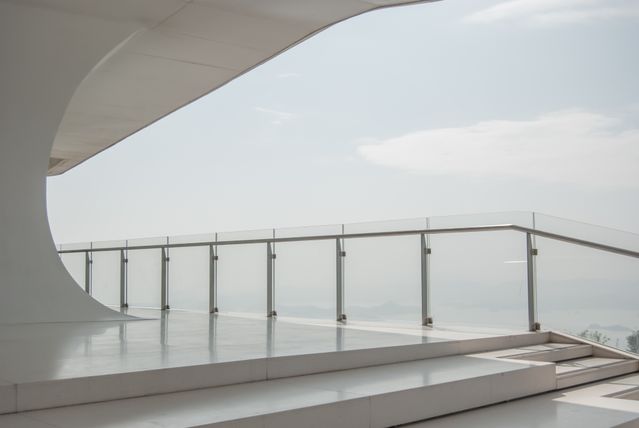
Four different seasons in a span of weeks compared to months, drastic variations in temperature in a single day, salty air in the bayside strip from Mordialloc south to Frankston, high levels of UV rays in summer, and moisture exposure throughout winter: the weather of Melbourne is definitely a challenge for an outdoor installation that consists of glass panels, metal fasteners, and adhesives. The glass is not affected at all by such factors. But what gets affected in an outdoor glass balustrading system is the hardware: the spigots, channels, handrail fixings, and silicone seals. It all depends on the material choice at the time of specification.
Stainless Steel Grade: The Specification Decision Most People Skip
Spigots, channels, and handrail brackets for outdoor balustrades in Melbourne are generally specified in stainless steel, and the grade matters. Two common options are 304-grade and 316-grade, and while they look identical at installation, their resistance to corrosion in environments with higher salt and chloride exposure differs over time. For properties in coastal and semi-coastal areas, where salt air is a consistent factor, 316-grade is typically the more appropriate specification. The right choice depends on the specific environment rather than a fixed distance from the water; properties further inland in lower-salt environments often perform well with 304-grade, while those closer to the bay warrant the upgrade as a baseline.
NCC Requirements That Vary by Fall and Occupancy
Outdoor balustrade height and opening requirements under the National Construction Code change depending on how far you’d fall if the railing gave way. When it comes to building a house, the minimum balustrade height is 1000mm above finished floor level when you’ve got a drop of over one metre, and it’s even stricter if you’re building a bigger commercial building or one that lots of people go into. The gap requirements in the system, like the space between the base of the glass panel and the floor surface and the distance between the metal bits, need to be such that a toddler can’t slip through. Frameless systems have to figure out how to do this through the design of the panels or add some extra low-level barriers, and it’s way easier to get it right at the start than to try and fix it afterwards.
What Waterproofing Has to Do With Keeping Balustrades Intact for Years to Come?
When you’re building a tiled deck or balcony, the balustrade fixings go through the waterproofing membrane underneath the tiles. If you don’t get the sealings right when you put them in, then water will start flowing down the fixing, down into the structural framework underneath the tiles, and before long it will be eating away at the slab or timber frame. By the time you actually notice any damage like a stain or a structural problem it usually means you’ve got to rip the whole tile bed out. Specifying balustrade fixings which treat the waterproofing as a separate, documented item from the deck surface waterproofing, rather than just lumping them together, means you’re covering all the potential points of failure, rather than being overly cautious.
What Annual Maintenance Really Involves?
Glass doesn’t rust, but a lot of tap water contains minerals which leave deposits on the surface that can etch into the glass over time if the glass sits in that spot long enough. Getting these off before they become permanent involves the right cleaning technique, rather than just giving it a quick rinse every now and then. The metal bits that hold the glass panels in place, even the high-grade stainless steel stuff, benefit from a quick once-over every year to check for any signs of corrosion, especially under the base of the metal bits and in any slots or channels where moisture can get in. The silicone sealings between the glass panels and the rest of the deck also break down at a faster rate than most people expect; checking on them every couple of years and re-sealing before the damage becomes obvious will save you a bunch of money compared to waiting until you can see the problem.
What Happens When a Renovation Triggers a Compliance Check?
In Victoria, if you’re doing some serious work on a deck or balcony and need a building permit, that means the balustrade will also be up for a compliance check. If you’ve got an older installation that used to meet the standard, but the building’s changed or the use of the outdoor space has shifted, then it’s possible it doesn’t meet the current NCC requirements anymore. Getting a compliance check before you start work on the deck or balcony is not only a permit requirement in most cases, but also a good way to avoid discovering you’ve got a non-compliant balustrade after you’ve spent a bunch of money on the rest of the renovation.