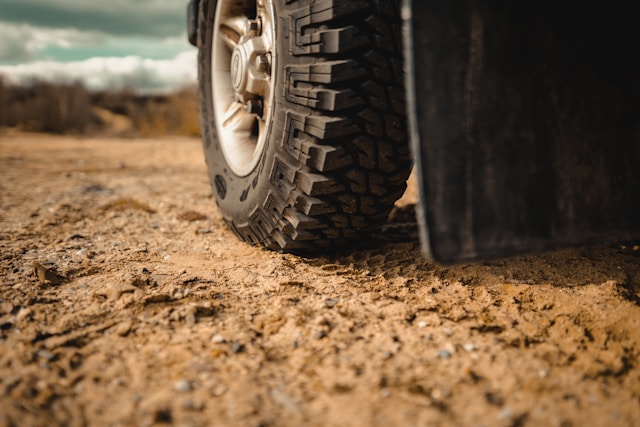
LT tyres are well-known for their performance in the harsh conditions they were designed for, which is why they have a strong reputation in the Australian 4WD tyres Perth market, reinforced sidewalls, puncture resistance, and durability under load. The problem is that a significant proportion of 4WD owners fitting LT tyres are not driving in those conditions most of the time; industry surveys consistently show over 80% of dual-cab UTE and SUV driving time is on sealed roads.
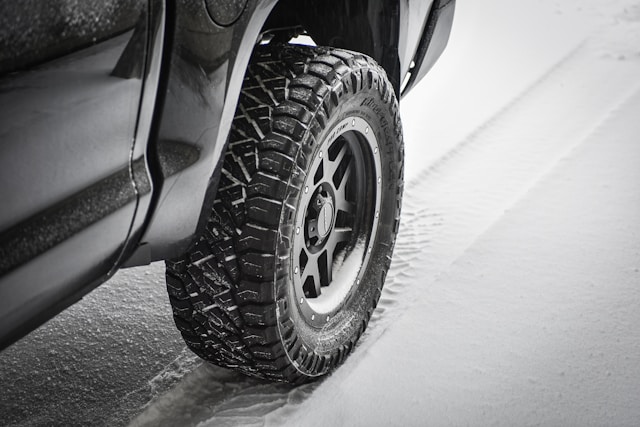
The Fuel Bill Starts The Moment The Tyres Go On
LT tyres also tend to weigh 3 to 8 kg more per tyre than their equivalent passenger-construction tyres, with thicker tread blocks and reinforced sidewalls, resulting in 12 to 32 kg of rotating mass across four wheels, before accounting for any larger wheel combination. According to research by the University of Michigan Transportation Research Institute, an increase of 10% in rolling resistance reduces fuel economy by 1 to 2% in light-duty vehicles, and the SAE International study identified rolling resistance as one of the biggest tyre-related contributors to fuel consumption.
For an Australian 4WD owner looking for replacement tyres, the annual fuel cost impact is easy to calculate: a vehicle that drives 20,000 km a year at 11 L/100 km could use an extra 110 to 220 L/year for a small efficiency decrease, which translates to AUD 220 to AUD 440 per year in extra fuel cost at AUD 2.00 per litre, and the extra fuel penalty often exceeds the initial price difference between LT and passenger-rated alternatives.
Stiffer Sidewalls Transfer What Passenger Tyres Absorb
The heavy-duty construction that allows LT tyres to survive corrugated outback tracks gives a harsher ride on urban roads. Passenger-rated tyres allow more sidewall flex, which absorbs road imperfections before they get to the suspension system, whereas LT tyres transfer a greater percentage of that impact energy into the vehicle chassis. Vehicle dynamics research shows that adding unsprung mass reduces the ability of a suspension system to isolate vibrations and maintain ride compliance, and even 5 kg per wheel can be enough to noticeably affect the way a suspension responds to high-frequency road inputs in normal daily driving.
This is not a minor refinement issue. Drivers who fit LT tyres and then drive the school run and the highway commute all week are accepting a penalty in comfort on each of those trips for the capability that they are not using. The stiffness that makes the tyre effective in challenging terrain is the same property that makes it noticeably firmer on a daily commute. They are not different features: they are the same engineering decision manifesting itself on a different surface.
Braking Distance Is Where The Weight Penalty Becomes A Safety Consideration
Heavier tyres have more rotational inertia, so more energy must be dissipated in braking. Compared with similar highway-terrain passenger tyres, larger all-terrain LT tyres may weigh 20 to 40 per cent more, and independent testing by several automotive publications has found that aggressive all-terrain tyres need 3 to 6 metres longer to stop on sealed roads in an emergency braking situation at 100 km/h, a distance that, at Australian highway speeds, is the difference between avoiding a hazard and not.
Component Wear Is Where The Cost Accumulates Silently
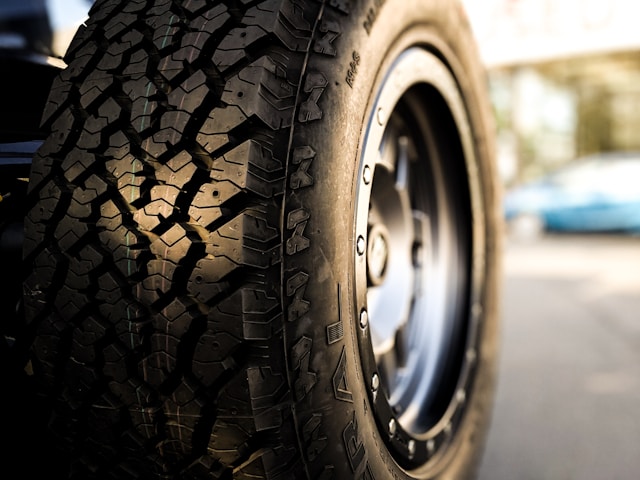
The extra rotating mass of LT tyres places extra loads on suspension, steering, and driveline components throughout the vehicle over its entire service life. Engineering studies on unsprung mass show that heavier wheels transmit greater impact forces to the rest of the vehicle when encountering road irregularities, forces which are felt throughout the vehicle through shock absorbers, control arms, wheel bearings, ball joints, and steering linkages with each bump encountered. A typical LT tyre upgrade can add over 20 kg of total rotating mass compared with standard equipment. A vehicle of this mass weighs more than two tonnes, but rotating and unsprung weight has an out-of-proportion impact on component fatigue.
The outcome is increased wear that is not reflected on any individual service invoice as an LT tyre cost but is accrued over time in reduced component service intervals and earlier replacement cycles. For drivers who tow 3,000 kg caravans, carry heavy equipment, or travel remote outback routes, the durability and load capacity of LT tyres make those trade-offs worthwhile. For drivers whose 4WD is just a commuter vehicle that occasionally gets a dirt track on a long weekend, the fuel, comfort, braking, and wear costs of LT tyres are being paid continually for capability.