
The Australian garden isn’t exactly a gentle environment. The UV radiation is bloody intense, rainfall patterns can be extreme, and for a lot of people living down by the coast, the salt air’s just something you get used to. Given all that, a metal garden sculpture holds up way better to the elements than timber, ceramic or resin ever will, as long as you pick the right alloy and finish.
ARTPark Australia, one of the well-established outdoor sculpture suppliers in the country, reckons there are four main metals used in garden art, Corten steel, mild steel, stainless steel and bronze. Each one’s got its own distinct character, a different way it changes over time and a different price tag. Choosing between them isn’t just about what they look like when you first see them, you’ve got to know what each one will end up looking like years down the track. Garden sculptures metal options come in a wide variety of styles and materials, so understanding these differences can make a big difference to long-term satisfaction.
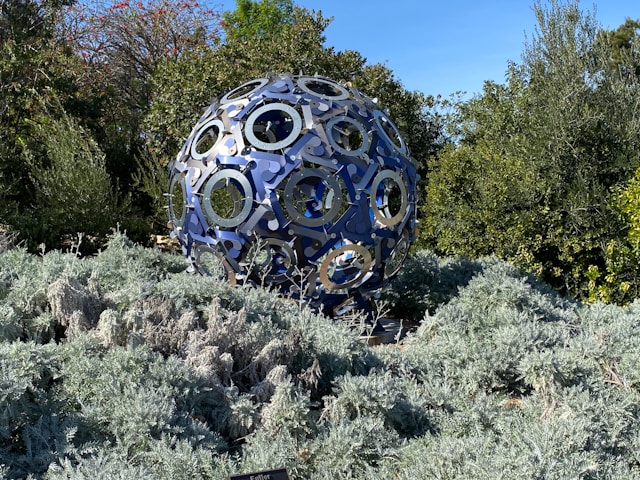
Corten Steel, Stainless and the Choice Between Them
Corten steel develops this lovely rust-coloured patina as a protective surface, which makes it a great fit for gardens where you want to connect with the natural landscape. It’s got this warm, earthy tone that works beautifully with Australian native plantings or a natural colour palette that doesn’t need a lot of fuss. Ironbark Metal Design near Sydney and Metalscape in the Blue Mountains both work with this material and do custom designs as well.
Scale, Placement and Making It Work
Getting the scale right is probably the most common mistake people make when buying garden sculpture. And it can cost you in two ways, a big piece that just gets lost in a large space, or one that overpowers a small courtyard. Entanglements Metal Art in Melbourne, going back to 1998, reckons the trick is to assess the intended site at different times of day and take into account how the light and shadows change over the day. Don’t commit to a piece until you’ve seen how it’ll work in the space, even if it looks great in the showroom. Big statement pieces work best against plain backdrops, think rendered walls, clipped hedges or still water. Smaller pieces, on the other hand, work best if they’re elevated so they can be seen clearly. A plinth or placing them among planting at eye level works way better than putting them on the ground in a planted border.
Finding Australian Makers vs Imported Pieces
The Aussie-made garden sculpture scene is buzzing and you can see why. Companies like Metal Garden Shop churn out a top-notch range of their own Aussie-made steel sculptures, complete with a 30-day returns policy. Of course, you do have to put in a bit of extra work to keep mild steel looking its best. It needs an oil-based treatment called Penetrol every year or so, especially if you live near the coast. If you don’t do this, the steel just won’t last as long as you think it should.
But at the lower end of the market, it’s the imported goods from Southeast Asia and China that tend to hold sway. Weld quality, steel thickness and how well they last vary a lot so I reckon they are best for something that you don’t mind just being a bit of a bit player in the garden. But for something that needs to be the star of the show for years to come, go with a local studio that knows what they are doing. The price tag really depends on how much of a workload you are expecting this sculpture to handle.
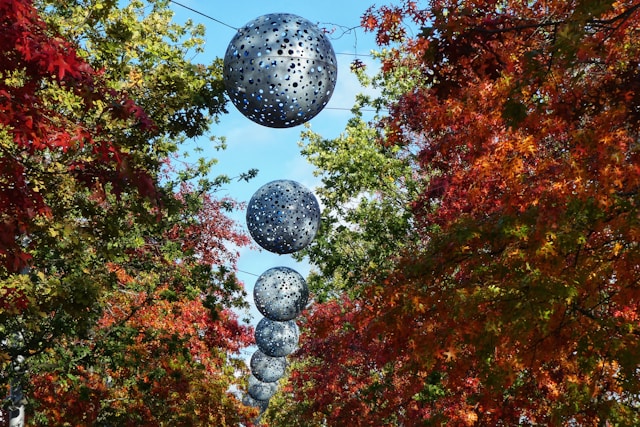
Fire Pits, Water Features and the Functional Sculpture Category
The line between garden furniture and sculpture has all but disappeared in Australia and that’s great for buyers who are on the fence about splashing out. Entanglements has some real standouts in terms of fire pits and burners that just happen to double as a work of art when they’re not firing up. ARTPark has put together some gorgeous pieces that use water flow and Ironbark takes commissions for all sorts of things, from bird baths to sculptures that double as garden supports.