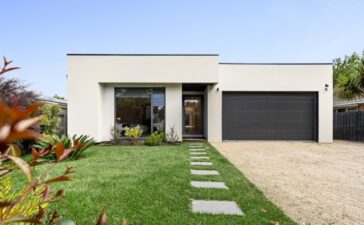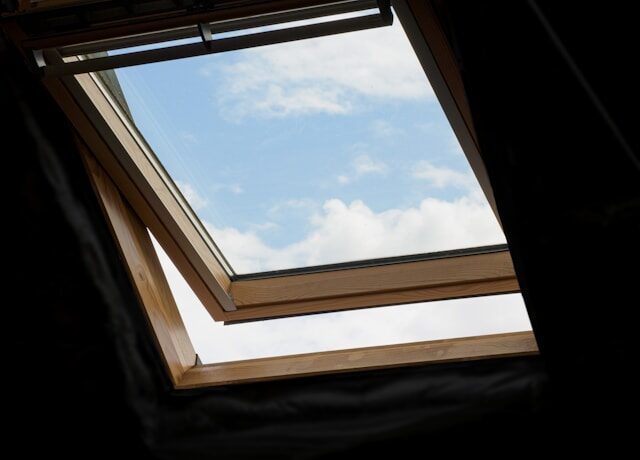
A skylight admits over three times as much natural light as a vertical window of the same size. In a country where sunshine is seldom the issue, rooms are often too dark, bedrooms gloomy, hallways uninviting, and laundries needing artificial light at noon. That ratio is the lead argument for one of the most underutilised upgrades to residential buildings. The warning is valid. The wrong selection and poor execution can quickly turn that resource into a liability. Heat traps in summer, condensation in winter, and leaks during the first heavy rain are the consequences of bad decisions at the specification stage. It begins well before the installer arrives.
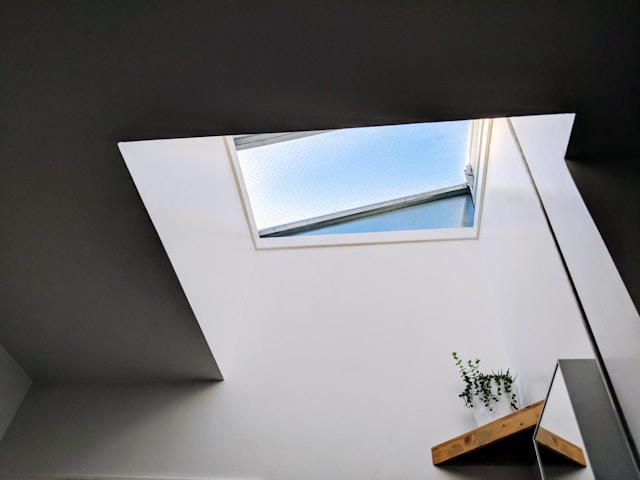
Fixed, Vented, and Tubular: Understanding the Difference
Most Australian residential applications use one of three distinct product categories, depending on the function of the room and the structural configuration of the roof. Fixed skylights are sealed units that admit daylight to any room where ventilation is not a concern, such as hallways, living spaces, and bedrooms. Light admission is all they are intended to provide. They are easy to install and are available in a wide range of products.
Mechanically or electronically operated, vented skylights for homes in Australia and roof windows allow air, as well as light, to flow through. Because kitchens and bathrooms accumulate moisture and cooking odours, a vented unit is particularly advantageous for allowing warm, humid air to escape passively. Suppliers such as Vivid Skylights offer solar-powered operators that open and close automatically, without electrical wiring, and include rain sensors that close the unit when moisture is present.
Tubular skylights, also known as solar tubes, address a different issue. In rooms where direct roof access is not possible, such as interior bathrooms or corridors in multi-storey buildings, a reflective tube directs daylight from a roof-mounted dome through the ceiling space to a diffuser below. The light quality is not as good as a direct-glazed unit, but the installation footprint is small and the structural requirements are low.
Orientation, Placement, and the Decisions That Define Performance
This makes a skylight either an asset or a source of heat, depending on where it is relative to the path of the sun. North-facing is the most practical first choice for most rooms in an Australian home because it provides the most even light with the least solar heat gain. East-facing units receive morning light and useful solar heat gain early in the day, before outdoor temperatures rise. West-facing units generate afternoon heat that is hard to control in summer without exterior shading or interior blinds. They are best avoided in rooms that already tend to get hot.
In Melbourne, for example, south-facing skylights can offer good winter solar gain with a low risk of overheating in summer. It is worth modelling at the design stage rather than assuming the geometry. Homes in BAL-rated zones have a further compliance requirement. Skylights in these zones must meet AS 3959-2009, which sets specifications for ember resistance and frame integrity. Vivid Skylights’ range is certified as compliant with AS 4285, AS 4055, and AS 1288. If the property is located within a bush fire attack level (BAL) rated zone, confirming that the chosen skylight meets the relevant BAL standard is a necessary specification, not an optional one.
Energy Efficiency, Glazing, and the WERS Rating
The Window Energy Rating Scheme (WERS) is an independent database of skylight and window products rated against two metrics. U-value measures thermal insulation, with lower values being better. Solar Heat Gain Coefficient (SHGC) measures how much solar heat the unit transmits. Lower SHGC values reduce summer heat gain, while higher values increase winter passive solar benefit. Single-glazed skylights rank poorly on both metrics in climates with extreme seasonal temperature variations. Double-glazed units with Low-E coatings reduce unwanted summer heat gain while retaining useful winter warmth.
In a city like Melbourne, where temperatures in summer can soar above 40°C and winter nights can dip close to freezing, double glazing is not a luxury specification. It is a functional minimum for a skylight that performs all year round. Vivid Skylights, which is based in Melbourne, manufactures standard and custom-sized units for distribution across Australia. They have documented WERS ratings that can be compared with competing products at the specification stage.
Installation, Cost, and What Professional Work Involves
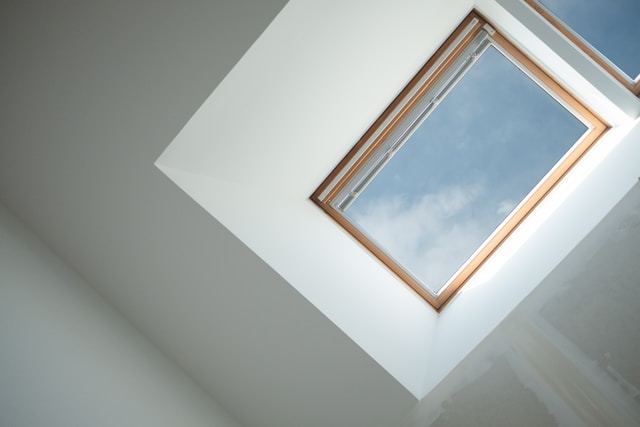
The range for Vivid Skylights is about $490 to $630 per unit, depending on the type, size, and glazing specification. The installation cost depends on the roof material and pitch, the complexity of access, and the amount of internal ceiling work required. Tiled roofs need tile removal and repositioning around the flashing. Corrugated metal roofs use different flashing systems but are usually easier to work with. Although professional installation is not required by law, it is required for practical reasons.
The most common cause of skylight failure is improper flashing of the weatherproofing system that seals the skylight frame to the roof surface. Damage to the ceiling structure and insulation often occurs before a leak at the flashing point becomes visible. Garron Skylights in Melbourne and Natural Lighting Products, which distributes Keylite units nationally, are experienced installers. Their product and workmanship warranties are important to consider when receiving installation quotes. The specification of a workmanship warranty, not just a product warranty, is critical when reviewing installation quotes. A skylight that is properly specified and correctly installed does not need ongoing attention after installation. Everything depends on the decisions made before the installer arrives.