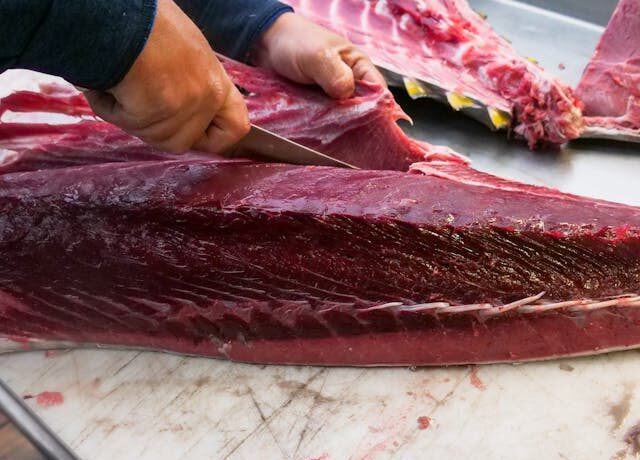
If you’ve ever travelled through South Africa’s lively streets or savoured its eclectic cuisine, chances are you’ve experienced biltong. This delectable delicacy has grabbed the hearts (and taste buds) of food enthusiasts around the world. However, what precisely is biltong? It is a cultural treasure rich in customs and history, not merely dried meat.
From its origins as a survival food to its emergence as a gourmet snack, biltong presents a story that connects past and present. Its rich flavours and unique preparation methods set it differ from other cured meats, making it an attractive alternative for those seeking something unusual. Come along with us as we explore the intriguing world of South African biltong, including its origins, production process, and reasons why this tasty treat is unique on the international scene.
History of Biltong: From Survival Food to Gourmet Snack
Biltong’s origins extend back to the indigenous peoples of Southern Africa. They produced this dried meat as a way of survival, conserving protein for lengthy treks and difficult conditions. The phrase itself originates from the Dutch term “bil,” meaning buttock, indicating its cut.
Colonial settlers adopted similar traditions in the 17th century, enhancing dishes with spices like coriander and vinegar. Over time, south african biltong became more than just nutrition; it evolved into a cultural mainstay.
Fast forward to today—what was once homey fare has morphed into a sophisticated snack enjoyed globally. Artisan producers have embraced inventiveness, introducing flavours that tantalise modern palates while honouring ancient ways.
From humble beginnings to high-end delicacies, biltong’s path is rich and flavorful—a true monument to culinary evolution across nations.
The Different Preparation Methods for Biltong
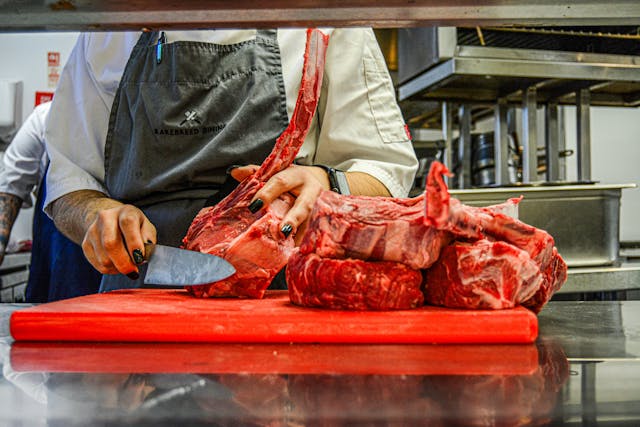
Biltong preparation is an art that differs from region to region in South Africa. The most traditional methods involve using various types of beef, game meats, or even fowl.
The first step is slicing the meat into strips against the grain. When chewing, this guarantees softness. The marinating step, in which spices are essential, comes next. A standard combination comprises salt, pepper, coriander seeds, and vinegar for flavour.
Once seasoned, the strips are hung to dry in a well-ventilated place. Some choose for air drying outside under regulated settings while others could use dehydrators for consistency.
Another level of complexity is added by smoking; oak or hickory wood can greatly enhance flavours. Each approach delivers different textures and flavours that appeal to various palates across the globe.
Experimenting with herbs and spices further personalises this craft, resulting in myriad unique biltong types waiting to be found by adventurous foodies.
What Makes Biltong Stand Out Globally?
The appeal of biltong extends beyond its delicious taste. Its unusual texture, a delicious combination of chewiness and tenderness, sets it apart from other dried meats. Every bite provides a flavour experience that many people can relate to.
The vast range of spices used in biltong preparation adds another layer to its attractiveness. From coriander to black pepper, these ingredients produce a symphony of flavours that’s impossible to recreate.
Biltong also appeals to people who are health-conscious. It’s strong in protein while being low in carbs, making it a perfect snack for people pursuing fitness goals or simply looking for nutritional options.
Cultural significance also has a role. Biltong reflects South Africa’s heritage and skill, linking people throughout the globe through mutual love for fine food. This popular snack continues to entice palates everywhere, whether it is consumed at home or when travelling.
More than just a snack, South African biltong is a cultural symbol that has won over foodies worldwide. Its extensive history displays resilience and inventiveness, evolving from a basic survival food into a gourmet delight. The varied preparation methods reflect the creativity and artistry involved in its manufacture, ensuring that each bite tells its own unique tale.
In addition to its unique flavour character, biltong’s adaptability as a daily snack and an ingredient in a variety of recipes is what makes it stand out on the international scene. Biltong encourages everyone to enjoy a taste of tradition combined with contemporary flair as it continues to gain appeal beyond of South Africa. Whether you’re chewing on it at home or eating it with friends during celebrations, this exquisite treat proves time and again why it merits fame far beyond its roots.