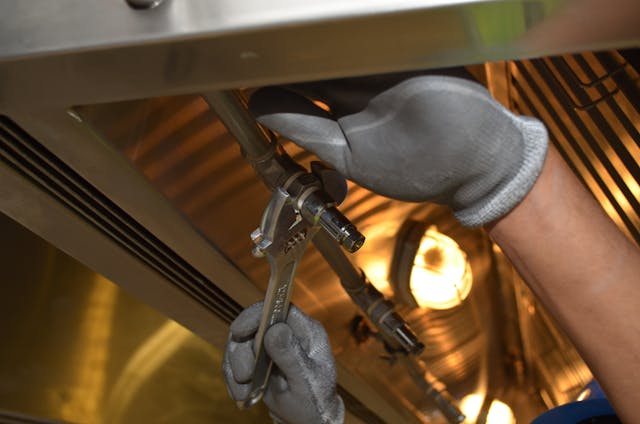
The world of plumbing has come a long way and is no longer just about pipes and taps. In Australia, both residential and commercial buildings are now adopting the next generation of plumbing systems that not only boast efficiency but also high comfort and support for sustainability. The influence of technology is on every part of daily life and therefore plumbing has also become smarter and is producing more responsive, intuitive, and environmentally friendly solutions. These advanced plumbing systems are disrupting the traditional way of water use, conservancy, and management in both metropolitan and rural locations. The dramatic shift that has occurred over the past few years is the increasing acceptance of intelligent plumbing features that guarantee convenience along with performance. People who are looking for plumbing services near me are becoming more and more interested in the installation of plumbing fixtures that not only perform well but also assist in the minimisation of energy and water wastage.
Smart Water Heaters and Temperature Control
The use of smart water heaters in Australian residences is on the rise because of their energy-efficient feature that optimises energy usage. These devices allow the user to easily control the temperature, and set schedules through an app on their smartphone as well as to get performance feedback. Smart heaters do not keep the water hot all the time; they rather work more efficiently by acquiring knowledge about the usage and heating water when it is actually needed. The result is lower energy bills, but the hot water being of the same good quality and always available. Moreover, the installation of sophisticated temperature regulation systems is also being done, which can prevent burning injuries, hence given a security layer for the youngsters and the elderly in the homes. Besides, another big plus of smart water heating technology is the ability to monitor remotely.
Touchless and Sensor-Based Fixtures
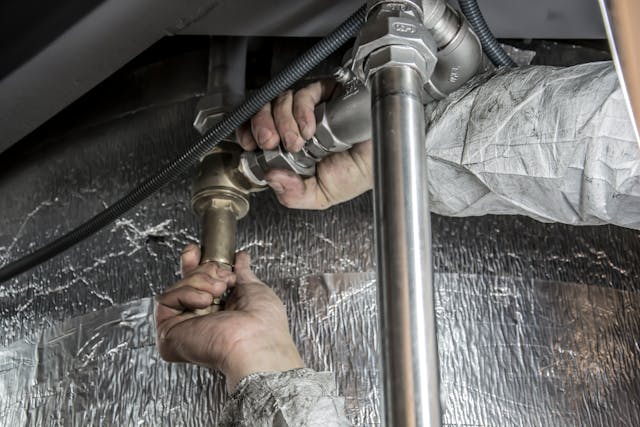
Touchless taps, toilets and showers are now widely used in both residential and commercial sectors. Initially, the fixtures were limited to public restrooms, but today, they are available in a wide range of modern designs which can be easily installed in homes. The sensor-operated systems minimise the necessity for physical contact, thereby lessening the spread of germs and more importantly making the solution more hygienic. After the public health issue awareness, even more, people started to recognise the significance of cleaner, hands-free environments. Marketplace hygiene, however, is not the only advantage of sensors; fixtures likewise contribute to water conservation. The faucet that operates automatically uses only the needed amount of water and therefore wastage is reduced. Touchless technology can be considered as an effective way of supporting sustainability in Australia, where responsible water use is vital.
Leak Detection and Smart Monitoring Systems
Undetected leaks can be the source of serious structural damage and water bills that are incredibly high if not noticed in time. Among the most invaluable innovations in modern plumbing systems were smart leak detection systems. The gadgets using sensors identify an unusual moisture level, a change in pressure or inconsistency in the water flow. Once a problem is detected, a notification is sent automatically to the homeowner’s phone, which allows for quick response. Some high-end systems are so advanced that they can even stop the main water supply automatically to avert flooding. This technology offers Australians living in older houses or properties with old plumbing systems a great relief. Leak detection measures not only help to conserve water over the long term but also do so by pinpointing small problems before they escalate into major ones and thus, cutting down on unnecessary water loss.
Water-Saving Innovations and Eco-Efficient Designs
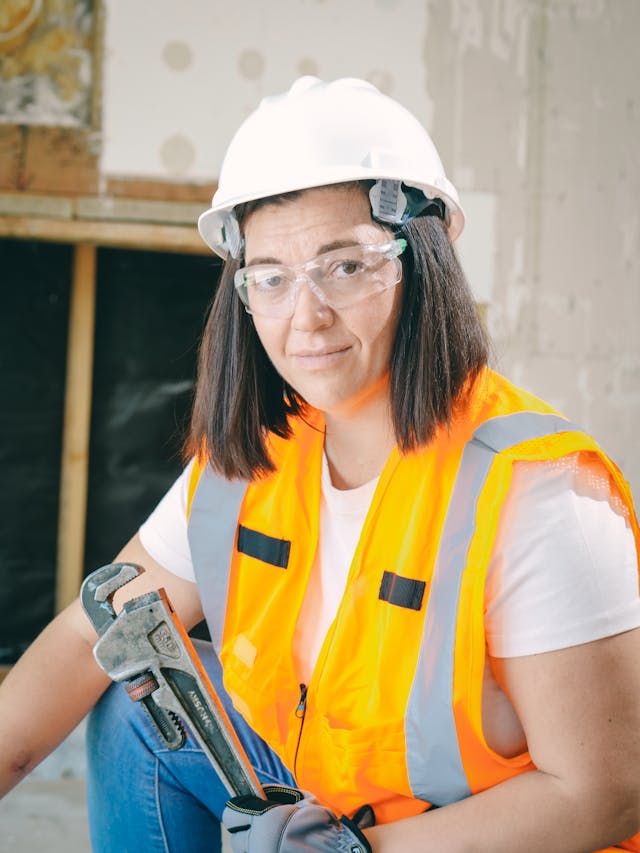
Sustainability of the environment is one of the most important factors that determine the direction plumbing innovations will take. The diverse climate of Australia, coupled with occasional droughts, has led to the installation of more efficient water systems by both homeowners and builders. Today’s plumbing installations encompass low-flow showerheads, dual-flush toilets, and aerated taps that the main aim of which is to save water but with no comfort issue. They have even come up with greywater recycling systems, which is the next big thing in the plumbing industry. The main operation of these systems is to treat and reuse the wastewater from sinks, showers, and washing machines by irrigating the gardens or flushing toilets. This practice not only reduces reliance on freshwater sources but also contributes to a greener environment where water scarcity is inevitable.
Digital Integration and Remote Control Plumbing
The digital integration has made plumbing to a new height of comfort for the people, especially the ones who made their homes smart. Besides, the smart home platforms give their users the authority to supervise and control their plumbing systems via their voice or smartphone apps. It is digital connectivity that makes every plumbing necessity management easier and non-manual since it does everything from correcting the water temperature to sending maintenance reminders. For example, smart showers would be able to control the temperature they liked all by themselves while digital water meters would keep records of and give detailed insight into the daily consumption. This data is crucial in making the households aware of their water habits and thus being more responsible with the use of water.