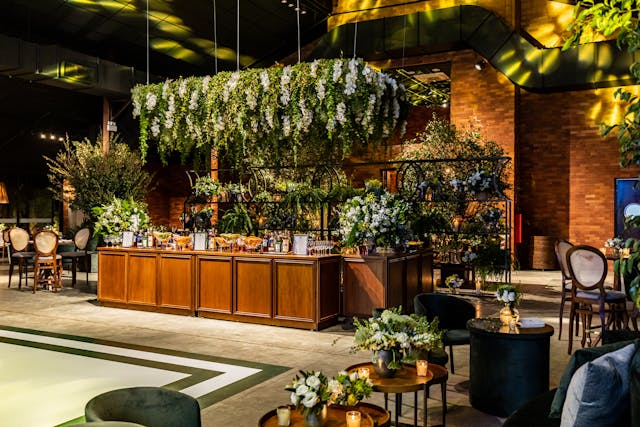
Indoor greenery has evolved far beyond a passing styling trend. Today, plants are an essential element of thoughtful interior design — softening hard architectural lines, improving air quality, enhancing wellbeing, and creating spaces that feel grounded and alive. The real magic, however, lies in combining function and beauty. When chosen and placed with intention, indoor plants don’t just look good — they work hard for your space.
Whether you’re styling a compact apartment, a busy family home, or a commercial environment, striking the right balance between practicality and aesthetics can transform the way a room looks and feels.
Why Indoor Greenery Is More Than Just Decorative
There’s a reason professionally styled interiors increasingly feature layered greenery. Plants offer measurable benefits alongside their visual appeal:
- They can help filter indoor air pollutants.
- They soften acoustics in open-plan spaces.
- They support focus and productivity in work environments.
- They introduce texture and movement to static rooms.
When sourcing plants and styling inspiration from specialists like Hello Botanical, it becomes clear that indoor greenery is as much about spatial planning as it is about decoration.The key is choosing plants that suit your environment — not just your Pinterest board.
Start with Function: Understanding Your Space
Before selecting a single pot, assess the practical realities of your room.
Light Conditions
Light is the most important factor in plant health. Observe how natural light moves through your space during the day. Is it bright and direct? Soft and filtered? Mostly shaded?
- Bright indirect light suits fiddle leaf figs, rubber plants and monsteras.
- Lower-light areas may be better for peace lilies or snake plants.
- Direct sunlight can scorch delicate foliage.
Matching plant type to light availability ensures longevity — which is both practical and visually satisfying.
Traffic Flow and Layout
Indoor greenery should enhance movement, not obstruct it. Consider walkways and door clearances, seating arrangements, and sightlines from entry points. Tall plants can frame a room or anchor a corner, while smaller varieties work beautifully on shelves, consoles and desks. If a plant interrupts flow, it becomes an inconvenience rather than an asset.
Maintenance Realities
Be honest about your lifestyle. Frequent travellers or busy households should prioritise low-maintenance varieties. Function means selecting plants that thrive within your schedule — not demanding constant attention.
Layering Beauty: Design Principles That Elevate Greenery
Once function is addressed, you can focus on aesthetic impact.
Play with Scale
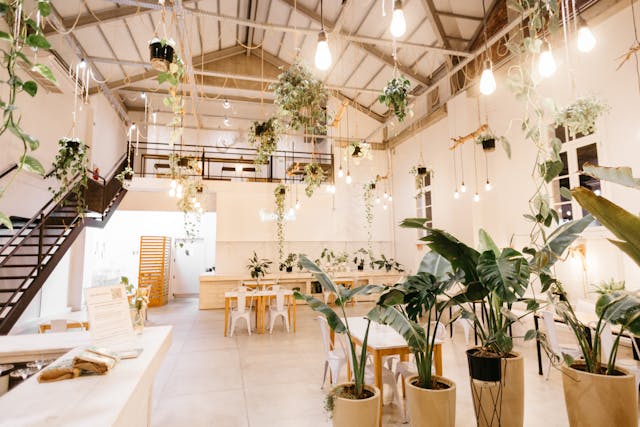
A single large statement plant can define a room, but combining different heights creates depth and dimension.
- Floor-standing trees
- Mid-height plants on stands
- Trailing plants on shelves
- Small tabletop accents
Layering draws the eye naturally around the space, creating rhythm without clutter.
Mix Leaf Shapes and Textures
Beauty comes from contrast. Pair broad leaves with fine, delicate foliage. Combine upright structures with trailing vines. The interplay of textures prevents the display from feeling flat.
Choose Complementary Planters
The vessel matters just as much as the plant. Consider:
- Ceramic pots for a refined finish
- Woven baskets for warmth and softness
- Matte black or metallic finishes for modern interiors
- Natural stone for an organic feel
Planters should complement your existing materials — timber floors, linen upholstery, marble benchtops — rather than compete with them.
Integrating Greenery into Different Rooms
- Living Rooms: Use greenery to soften large furniture and create balance. A tall plant beside a sofa can anchor the space, while smaller plants on side tables add intimacy.
- Kitchens: Herbs are a perfect blend of function and beauty. Basil, rosemary and mint provide fragrance, convenience and colour. Position them near natural light for optimal growth.
- Bathrooms: If your bathroom receives natural light, humidity-loving plants such as ferns can thrive beautifully. They introduce a spa-like quality that elevates the entire room.
- Home Offices: Greenery in workspaces improves focus and reduces visual fatigue. A desk plant or floor plant in your peripheral vision creates a calming effect without distraction.
Designing with Intention: Less Clutter, More Impact
A common mistake is overcrowding. Too many plants can overwhelm a space and make maintenance challenging. Instead:
- Choose fewer, larger specimens for impact.
- Group plants in odd numbers for visual harmony.
- Leave breathing room between arrangements.
Intentional placement enhances sophistication. Think curated, not crowded.
Artificial vs Living Plants: A Practical Consideration
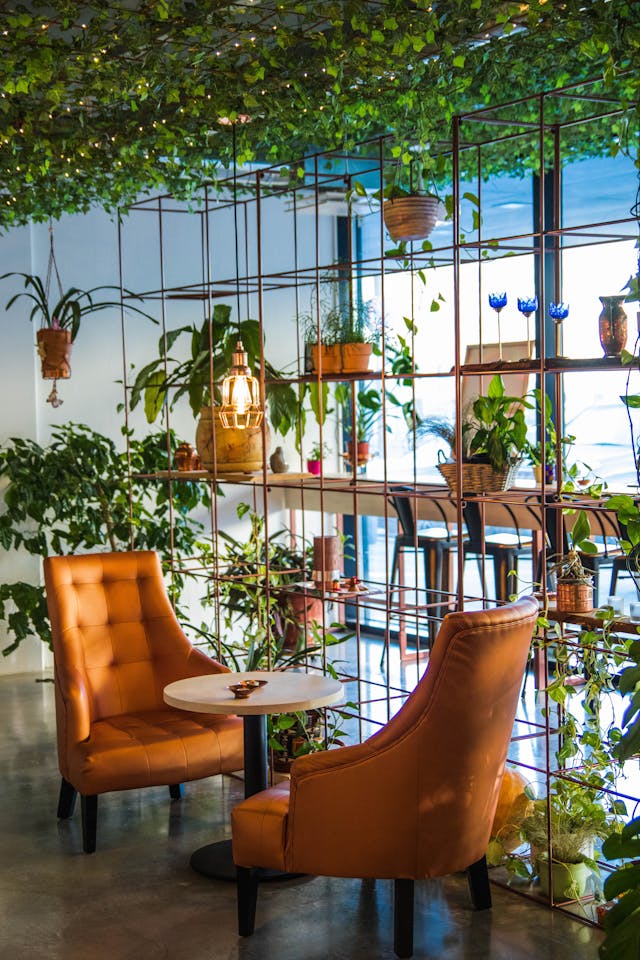
While living plants offer air-quality benefits and organic growth, artificial greenery can provide consistency in low-light or high-traffic environments.The most successful interiors often blend both — prioritising live plants where conditions allow, and high-quality artificial alternatives where practicality demands it.
The Emotional Impact of Indoor Greenery
Beyond layout and styling, plants influence mood. Green is psychologically associated with calm, balance and renewal. Incorporating greenery into daily environments fosters a subtle but powerful sense of wellbeing.This is where function and beauty truly intersect — when a space not only looks refined but also feels restorative.
Combining function and beauty with indoor greenery isn’t about filling empty corners; it’s about designing with purpose
By understanding light, scale, traffic flow and maintenance requirements, you ensure plants thrive. By layering texture, contrast and complementary planters, you create a cohesive aesthetic.When thoughtfully integrated, indoor greenery becomes more than décor — it becomes a living design element that enhances health, harmony and everyday living.
And that is where great interior styling begins.