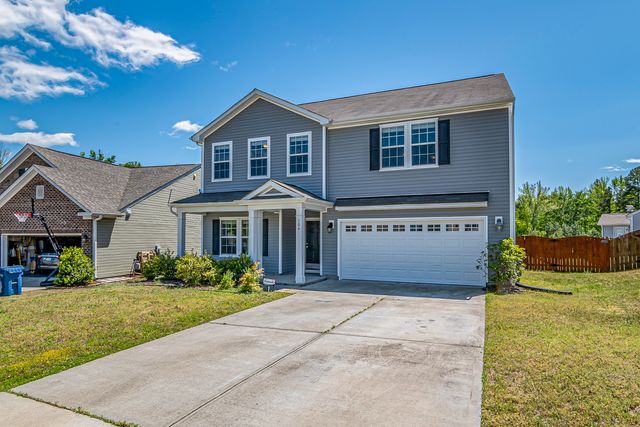
Some of the highest temperatures are frequently recorded in Penrith and the driveway gets hit by that heat every day. The driveway needs to withstand the load of cars continuously, be oil-resistant, and remain unblemished and intact for the next 25 years with minimal maintenance needed. It is not perfectionism to get the specification of the driveway right from the beginning but a matter of the difference in performance for two and a half decades.
Why Concrete Makes Sense for Western Sydney Properties?
Asphalt softens in sustained heat. With the weather Penrith normally experiences in summer, an asphalt driveway will deform when vehicle weight is applied causing tyre impressions and deformation of the surface which gets worse during each season that follows. Properly specified concrete will have structural integrity regardless of the temperature range that Penrith properties experience, will resist oil and fuel stains with correct sealing and doesn’t require regular resurfacing unlike asphalt.
Australian Bureau of Statistics’ Building Approvals data for 2024-25 confirms active and sustained residential alterations and additions in the Greater Western Sydney region. A large number of those projects are concerned with concrete driveways Penrith replacements and upgrades as homeowners invest in the surfaces which will increase their property value, which has been rising quite substantially in recent years.
Subgrade Preparation Determines Everything That Follows
The quality of a concrete driveway depends on preparation done before the first cubic metre of concrete is poured, the thing which is not seen and usually not discussed by homeowners despite being crucial for the future performance of the driveway. Proper subgrade preparation determines whether the surface will crack, settle or shift for years after installation, and it is where the difference between the experienced specialist and the general tradesman shows up clearly.
The excavation should be done to the specified depth to provide room for concrete, compacted base and any crossover gradient. A compacted gravel base will serve the purpose of drainage and a stable foundation preventing any movement of the driveway under vehicle loads. Tree roots, clay subsoil, and poorly drained fill material all require special treatment before formation of the driveway.
Finish Options and What Each Actually Involves
There has been an increase in the number of concrete finishes that Penrith residents can now choose from. In addition to affecting appearance, slip resistance and cost, these finishes also affect maintenance needs.
The most commonly used concrete finish is the broom finish, which is both relatively cheap and gives adequate slip resistance while also giving a very neat-looking driveway. Exposed aggregate refers to the process of removing the outer layer of concrete so that the beautiful stone inside is exposed. It gives a rough surface with good slip resistance and a premium appearance. Stencil or stamp finishes give the appearance of pavers or stone but at a much reduced price since it just replicates the appearance using the concrete. This type of finish requires re-sealing in order to protect the coating on the concrete slab from damage. The colour oxide is incorporated directly into the concrete as opposed to painting on the concrete surface and thus does not wear away as the paint would.
Honed or polished finishes are more appropriate for covered areas such as garages or carports since they wear out very fast in exposed areas due to UV radiation.
Council Crossovers and the Approval Step That Catches Homeowners Off Guard
All driveways in Penrith that connect from the property to any footpath or road need to get approval before starting work on the concrete driveway. The crossover will have to adhere to the rules regarding crossover width, gradient and drainage. Most homeowners find out about the crossover approval step after the work has been completed and this leads to modifications or even removal of the concrete in some cases. A professional Penrith concreter takes care of all the council paperwork and approvals on behalf of the customer during the planning phase of the project.
Curing, Sealing and What Comes After Pouring
New concrete that is poured is not ready until the curing process is over. This process usually takes seven days after which the concrete can support light traffic and gain full strength. Sealing protects the concrete surface from UV damage and water penetration. Expansion joints are put in place in order to make sure that the cracks occur in the right places. High-pressure cleaning of the driveway before re-sealing every few years helps to protect the driveway and keeps it looking good.