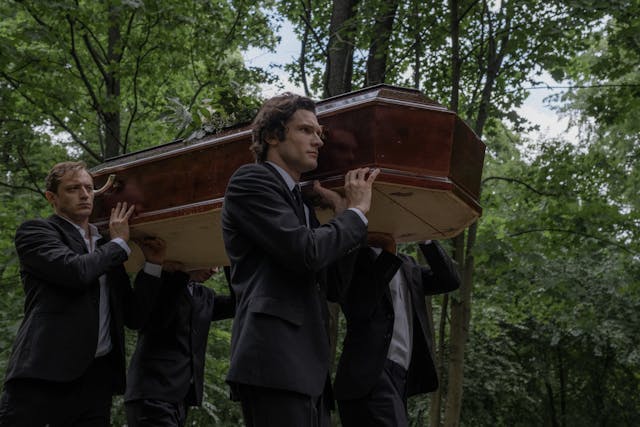
When someone passes away without immediate family, the responsibility of arranging their funeral can feel overwhelming. Whether you are a close friend, neighbour, colleague, executor, or a representative from a community organisation, stepping into this role is both an honour and a significant responsibility.
In these moments, having compassionate, experienced support makes all the difference.Working with a trusted team like those at Greenhaven Funeral Parlour can help guide you through the legal, practical and emotional aspects of planning a respectful farewell. With the right advice, you can ensure the person’s life is acknowledged with dignity — even in the absence of immediate family.
Understanding Who Has the Legal Authority
One of the first questions that arises is: who is legally allowed to make funeral arrangements?In Australia, the right to arrange a funeral typically falls to:
- The executor named in the deceased’s Will
- The next of kin (if there is no Will)
- A legally appointed administrator
If there is no immediate family and no Will, the situation can be more complex. In these cases, the Public Trustee or State Trustee may become involved. Occasionally, a close friend or community member may apply for authority to manage the arrangements. A funeral director can help clarify what documentation is required and guide you through the correct process.
Checking for a Will or Pre-Arranged Plans
Before making decisions, it is important to determine whether the person left:
- A valid Will
- Written funeral wishes
- A prepaid or pre-arranged funeral plan
- Instructions within superannuation or insurance documentation
Some people without close family members take proactive steps to document their wishes.If such plans exist, they should be honoured wherever possible.If no guidance has been left behind, the responsibility shifts to making thoughtful, respectful decisions that reflect what you knew about the person.

Managing Practical Arrangements
Planning a funeral without immediate family involves several practical steps:
- Registering the death and obtaining the death certificate
- Arranging transfer of the deceased into care
- Choosing burial or cremation
- Selecting a venue and service format
- Coordinating notices and communications
In cases where no family members are present, friends, neighbours, former colleagues, or members of a club, church or community group often step forward to assist. Sometimes even distant relatives may be located through enquiries.A professional funeral director can coordinate these elements efficiently while offering emotional support to those involved.
Considering Financial Matters
Another important consideration is how the funeral will be funded.Possible options include:
- Funds from the deceased’s estate
- Superannuation death benefits
- Funeral insurance
- Contributions from friends or community members
- Government assistance in limited circumstances
If there are insufficient funds and no estate, some state authorities may arrange a “public health” or “pauper’s” funeral. However, in many cases, friends or community members prefer to organise a more personal service if possible.An experienced funeral home can provide transparent cost options and help you plan within available resources.
Creating a Meaningful Service
Even without immediate family, a person’s life still holds meaning and deserves recognition.Think about:
- Their interests and hobbies
- Causes they supported
- Music they loved
- Cultural or spiritual beliefs
- Stories shared by those who knew them
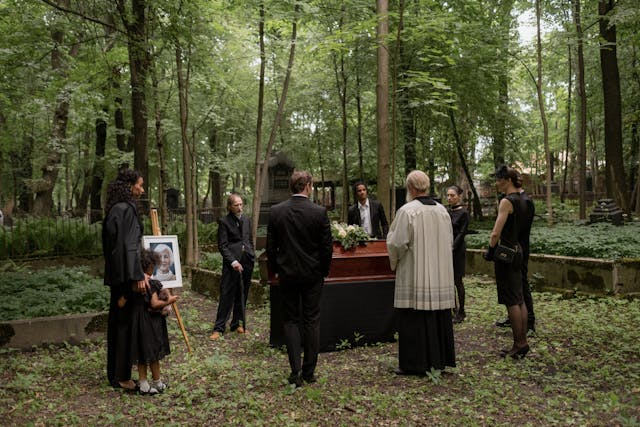
You might invite friends or community members to speak. If attendance is likely to be small, an intimate gathering can still be deeply moving. Sometimes, a simple cremation followed by a memorial gathering at a later date feels appropriate.It is not about scale or grandeur — it is about sincerity.
Navigating Emotional Complexity
Planning a funeral for someone without close relatives can bring unexpected emotions.There may be sadness, a sense of responsibility, or even frustration if legal or financial matters are unclear.
It can also be profoundly meaningful. Providing a dignified farewell ensures that the person is not forgotten. It affirms that their life mattered — to someone.Funeral professionals understand these unique circumstances and approach them with care and discretion. They can act as steady support during what may feel like unfamiliar territory.
Community and Cultural Sensitivity
Australia’s communities are diverse, and cultural traditions surrounding death vary widely. If the deceased belonged to a particular cultural, religious or social group, it is important to consider whether any rites or customs should be observed.Even if you are unsure, a funeral director can help you explore appropriate options or contact relevant community representatives.
When No One Steps Forward
In rare cases where no friends, family, or community members are available, local authorities will ensure that a basic service takes place. While simple, these services are conducted respectfully.However, it is often the quiet kindness of a friend or neighbour that transforms a minimal obligation into a heartfelt farewell.
Planning a funeral for someone with no immediate family may seem daunting, but it is also a deeply compassionate act
With the right guidance, clear communication, and thoughtful decision-making, you can create a service that honours the person’s life with dignity and respect.No one should leave this world unnoticed. By stepping forward, you ensure that their story is acknowledged — and that they are remembered, even in the absence of immediate family.